



The Challenge: Venous Thoracic Outlet Syndrome
For Abby DiBenedetto, physical activity is a way of life.
As a student, she played soccer and competed in track and field. She’s enjoyed practicing yoga and long-distance running for years. In 2013, she ran her first marathon.
In July 2015, Abby went on a nine-mile run. Later that day, she noticed her left arm was swollen and bruised.
She went to the emergency department, where doctors diagnosed her with a blood clot in the vein below her collarbone and multiple pulmonary embolisms — potentially life-threatening blood clots in her lung.
Abby had traveled overseas in the weeks before, and her doctor thought the long flight might have caused her blood clots.
After a week in the hospital and successful treatment of the clots, she returned home on blood thinner medicines.
In the months that followed — when her heart rate went up during a run — Abby’s arm swelled and felt heavy.
Her doctors tried different medicines and tests but couldn’t figure out exactly what was causing her continued symptoms.
Years before Abby’s health issues, her mother had thoracic outlet syndrome (TOS) — a compression disorder that can affect the arteries, veins, or nerves in the upper chest region, known as the thoracic outlet. Abby wondered if she had TOS as well.
The Path to UPMC's Vascular Surgery Division
Abby began researching vascular specialists who had experience with TOS. Her search brought her to the Division of Vascular Surgery at UPMC Shadyside.
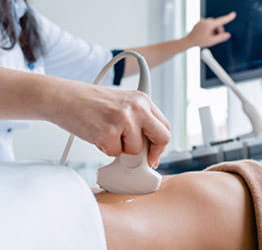
Following an exam and ultrasound, Abby was diagnosed with venous TOS.
This form of TOS happens when a vein in the thoracic outlet becomes compressed. The compression prevents blood from flowing through the vein properly, leading to blood clots and the types of symptoms Abby had.
The Solution: Surgery to Treat Abby's Venous TOS
In April 2016, Abby had venous TOS surgery. Doctors safely removed Abby’s first rib, decompressing her vein and restoring proper blood flow.
Abby returned to work two weeks after her surgery and completed physical therapy to help regain strength in her shoulder.
She’s grateful for the care she received at UPMC and for the doctors who took the time to listen to her whole history — including her mom’s experience with TOS — during that first exam.
Today, Abby is back to her active life, practicing yoga and running without any symptoms.
Abby's treatment and results may not be representative of similar cases.
