















Pelvic pain is discomfort in the area of the pelvis, including the lower abdomen, vagina, low back, and upper thighs.
Pelvic pain may have a number of different causes. Some of the most common causes are related to the gynecologic organs (uterus, fallopian tubes, ovaries), bladder, bowel, or muscles of the pelvic floor. Pelvic pain can also be impacted by conditions of the musculoskeletal, psychologic, vascular, and neurologic systems as well.
Because of the way the nerves and organ systems of the pelvis communicate with the brain, sometimes a specific source of pelvic pain is not entirely clear, and there may be multiple contributing factors. Talk to your health care provider about pelvic pain to rule out a serious issue.
On this page:
What Is Pelvic Pain?
Doctors define pelvic pain as pain in your pelvic area. You may have pelvic pain in your abdomen (lower belly), but it can also spread to your vagina, lower back, and upper thighs.
Pelvic pain doesn’t always involve the female reproductive organs, and it isn't always connected to gynecological issues.
Both men and women can have pelvic pain, but it's more common in people with female reproductive organs. The bladder and bowels are also located in the pelvis, so if you have pelvic pain, it’s important to talk to your provider about the possible causes. Because it has many causes, pinpointing the actual cause can be a long and complex process. If you have chronic pain, it is most helpful to keep a log of your symptoms, including time of day or month it is worse and which factors worsen or improve your pain.
Pelvic pain can happen to people at different times and ages, range from mild to severe, and vary. Doctors define chronic pelvic pain as pain that lasts for more than six months without getting better.
How common is pelvic pain?
Because chronic pelvic pain is often linked to other disorders, such as endometriosis, researchers aren't sure exactly how many people live with it in the U.S.
One study showed that about 15% of U.S. women of childbearing age reported pelvic pain that lasted at least six months. Worldwide rates of chronic pelvic pain for this demographic range from 14% to 32% — with between 13% and 32% having pain so severe that they miss work or school.
What causes pelvic pain?
Often, pelvic pain stems from an underlying issue in your pelvic muscles or your urinary, digestive, or reproductive system.
Causes of pelvic pain may include:
- Abdominal surgeries.
- Bladder issues — Such as urinary tract infections, bladder pain syndrome, or kidney stones.
- Bowel issues — Such as inflammatory bowel disease, irritable bowel syndrome, or constipation.
- Gynecological issues — Such as endometriosis, adenomyosis, painful menstrual cramps, or ovarian cysts.
- Muscle and nerve issues — Such as pelvic floor myalgia, high-tone muscles, or pudendal neuralgia.
- Past pelvic trauma or pelvic stress.
- Pelvic inflammatory disease (PID).
- Sexually transmitted infections (STIs).
Several things can contribute at once to make pelvic pain worse. For example, a person may have a gynecological issue, like endometriosis, and a digestive issue, like irritable bowel syndrome (IBS).
Female pelvic pain
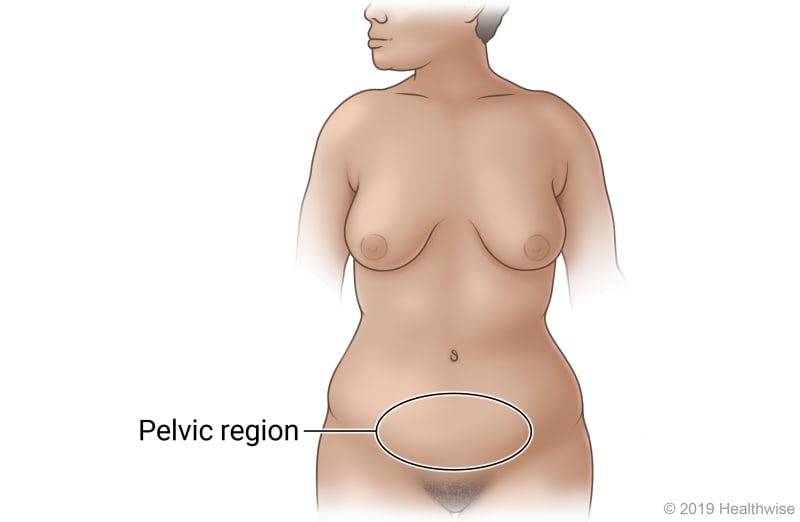
Pelvic pain occurs in the pelvic area, which is located below the belly button. It has many possible causes.
Pelvic pain risk factors
The biggest risk factor for pelvic pain is gender. People born female are most at risk of lower abdominal pain.
Having sacroiliac (SI) joint pain also puts people at risk for pelvic pain because the two often occur together. This is especially true in pregnancy.
Other risk factors include:
- Heavy menstrual flow.
- Prior pelvic surgery
- Previous miscarriage or cesarean section (C-section) birth.
- Sexual trauma.
- Other chronic pain syndromes.
- Mental health conditions, such as depression.
Complications of pelvic pain
Some causes of female lower abdominal pain can lead to long-term issues. One such issue is pelvic inflammatory disease (PID), an infection of the female reproductive organs that can cause infertility and ectopic pregnancy.
Many people don't know they have PID until they have pelvic pain. That's why you should see your health care provider if you have pelvic pain that doesn't go away.
Another complication of pelvic pain is worsening mental health. Left undiagnosed or untreated, chronic pelvic pain can cause depression and may lead to relationship stress and problems with sleep, sex, and work.
How can I prevent pelvic pain?
Pelvic pain can be hard to prevent since many factors that cause it are out of your control. Researchers have looked at whether exercise can help, especially with pregnancy-related pelvic pain. But the evidence isn't clear that it can prevent pelvic pain — although exercise can help with things like anxiety and mood, so it may help in ways we don't yet know.
One of the most important steps you can take to catch pelvic pain early is to see your provider for your regular appointments. Tell them about any pain you have and can't explain in your abdomen or low back. You may be able to treat an underlying cause before it turns into chronic pelvic pain.
What Are the Signs and Symptoms of Pelvic Pain?
Symptoms of pelvic pain can include:
- Bloating, gas, or constipation.
- Cramping or uncomfortable sensations in the vagina.
- Discomfort or cramping in the lower abdomen.
- Pain during sex.
- Pain in the groin or hip.
- Pain when peeing or with a full bladder.
- Rectal discomfort or discomfort with bowel movements.
Pelvic pain can come on suddenly and feel sharp and stabbing. Or, it can be dull and more spread out. People often describe pelvic pain with words like aching, cramping, stabbing, tender, sickening, or hot and burning.
Some people also have sacroiliac (SI) joint pain. SI joint pain is pain occurring in the very low back or butt. It can be hard to tell the two apart since they can exist together.
What Is the Difference Between Bladder Pain and Uterus Pain?
If you have pelvic pain, it can be difficult to tell where it's coming from. Pain from your uterus and pain from your bladder can both show up as pelvic pain.
Problems in either of these organs can cause sharp or aching pain in the pelvic area. The pain may be constant, or it may come and go.
One key difference between bladder and uterus pain is that problems with your uterus may change with your menstrual cycle. Your pain may be worse when you have your period. Or you may have unusual menstrual bleeding.
Sometimes, pelvic pain develops from a combination of factors. Problems with the uterus can put pressure on the bladder. That can lead to more frequent urination or pain when urinating.
Pelvic pain can also come from an issue with the bowel.
What causes bladder pain?
The most common causes of bladder pain are urinary tract infections and bladder pain syndrome.
Urinary tract infections
A urinary tract infection is an infection in one or more of the following parts of the urinary tract.
- Bladder.
- Kidneys.
- Ureters — The tubes that connect the kidneys and bladder.
- Urethra — The tube by which urine leaves the body.
Symptoms of a urinary tract infection include:
- A frequent urge to urinate.
- Burning or pain when you urinate.
- Urinating only a little at a time despite a strong urge to go.
A kidney infection can also cause back pain and fever. Kidney infections can be serious, so if you have symptoms, you should get medical help right away.
Doctors treat urinary tract infections with antibiotics.
Bladder pain syndrome (interstitial cystitis)
Bladder pain syndrome happens when the bladder lining becomes swollen or irritated. Doctors don't know what causes it, but it's more common in women than men.
Symptoms of bladder pain syndrome include:
- An increased urge to urinate.
- Frequent urination.
- Pain during sex because of pressure on the bladder.
- Pelvic pain that is constant, or may come and go.
- Urinating small amounts at a time.
In most cases, bladder pain syndrome gets worse gradually, over many months. This is different from urinary tract infections, which come on suddenly. In most cases, doctors recommend lifestyle changes to manage bladder pain syndrome.
Your doctor may suggest:
- Bladder training — Going for longer periods of time between urinating.
- Changing your diet by eating less acidic foods.
- Reducing stress.
- Trying physical therapy.
Your doctor may recommend different medications along with lifestyle changes. In severe cases, they might suggest surgery.
Bladder cancer
Bladder cancer can cause pain. But it is rarely the cause of pelvic pain.
Bladder cancer is unlikely in younger people. The average age for a bladder cancer diagnosis is 73.
What causes uterus pain?
The most common causes of uterus pain are uterine fibroids, endometriosis, and adenomyosis.
Uterine fibroids
Uterine fibroids are noncancerous tumors that grow in the uterus. They can be different sizes and in a number of different locations, which determines what symptoms they cause. They also may not cause symptoms, especially if they're small.
Classically, fibroids cause heavy bleeding with menstrual cycles. Larger fibroids can press on the bladder or bowel. They can cause pain and affect bowel movements, urination, or both.
Symptoms of uterine fibroids can include:
- An increased need to urinate.
- Constipation and bloating.
- Heavy or irregular periods.
- Lower back pain.
- Pain during sex.
- Painful periods.
Doctors treat fibroids with medications, minimally invasive procedures, and surgery. Treatment depends on the size and location of the fibroids, the symptoms they cause, and fertility goals.
Endometriosis
Endometriosis is a condition where tissue similar to the tissue that lines the uterus (endometrial-like tissue) grows outside the uterus. It can cause many symptoms including pelvic pain and infertility.
Symptoms include:
- Cyclic pelvic pain that worsens around the time of your period.
- Daily pelvic pain.
- Pain during or after sex.
- Painful urination or urinary frequency.
- Pain with bowel movements, which may be worse during your period.
Sometimes, endometriosis does not cause any symptoms at all.
Doctors treat endometriosis with:
- Hormonal medications, including birth control pills, implants (Nexplanon), injections, or intrauterine devices (IUDs).
- Surgery.
Adenomyosis
Adenomyosis is a health condition where the uterine lining grows into the muscle walls of the uterus. This usually leads to an enlarged uterus and can result in heavy, painful periods.
Symptoms include:
- Painful menstrual cycles and uterine cramps.
- Heavy menstrual bleeding that lasts longer than usual.
- Bleeding between periods.
- Pain during sex.
- Infertility.
- Pelvic pain.
- Pressure on the bladder or rectum.
- Pain during bowel movement.
- Bloating or fullness in the abdomen.
Doctors treat adenomyosis with:
- Medicine including anti-inflammatory drugs like ibuprofen, hormonal contraception, or gonadotropin-releasing hormone agonists.
- Surgery, including uterine artery embolization or hysterectomy.
Ovarian cysts
Ovarian cysts are fluid-filled sacs that form on or inside the ovaries. Ovarian cysts are common and often don't cause symptoms, but they sometimes can cause pelvic pain.
Symptoms include:
- Dull ache in the lower back.
- Pain, pressure, or bloating in the abdomen.
- Nausea or vomiting.
- Pain during intercourse.
- Painful periods and abnormal bleeding.
- Trouble urinating.
- Weight gain.
Most ovarian cysts go away on their own. If you have frequent cysts, your doctor may recommend hormonal contraception to stop ovulation and prevent new cysts from forming. If a cyst grows larger or causes pain, surgery may be needed to remove it.
Other causes of pelvic pain
Whether your pelvic pain is due to a problem in the urinary, digestive, or reproductive system isn't always obvious.
Other causes of pelvic pain include:
- Appendicitis.
- Certain cancers.
- Hernia.
- Inflammatory bowel disease, or chronic swelling in the digestive tract due to Crohn's disease or ulcerative colitis.
- Irritable bowel syndrome, which also causes constipation, diarrhea, gas, and bloating.
- Pelvic inflammatory disease, an infection in the female reproductive system that may result from an untreated sexually transmitted infection (STI).
- High tone pelvic floor dysfunction.
How Do You Diagnose Pelvic Pain?
To diagnose your pelvic pain, your doctor will take your medical history and perform a physical exam.
Your doctor may order imaging and other tests to find or rule out gynecologic, bowel, or bladder issues. They can then look for muscle or joint problems since some types of pelvic pain are myofascial — or pain in the tissues that support your muscles.
Tests to diagnose pelvic pain
Tests to find the root of pelvic pain may include:
- Colonoscopy — If your doctor thinks you may have bowel problems.
- Cystoscopy — Which helps doctors see into the bladder.
- Lab tests — Such as urine or blood tests.
- MRI – of the pelvic area or low back.
- Ultrasound — Specifically of the pelvic region.
- X-ray of the abdomen (belly).
Not everyone will need testing, so talk to your provider about whether testing is indicated for you.
How Do You Treat Pelvic Pain?
Once your provider learns the cause of your pain, they'll work with you to manage your specific type of pain. Often patients with chronic pelvic pain do best when pain is managed in a multimodal, multidisciplinary fashion.
Medicine for pelvic pain
Doctors prescribe medications to help manage pelvic pain symptoms or treat the underlying causes. These can include vaginal medications, muscle relaxers, antidepressants, pain injections, and hormone-related medicines.
In addition, nerve blocks target specific nerves and pathways involved in pain transmission to interrupt these nerve pathways. They may be performed for diagnosis, pain relief, or both.
Physical therapy for pelvic pain
Your pelvic floor includes the muscles and nerves that support your pelvic organs. These muscles and nerves are also near your lower back and abdomen. A pelvic floor physical therapy program can treat pain with techniques like deep tissue massage and exercises to tighten and relax certain muscles, depending on your needs.
We have physical therapists specially trained in pelvic floor physical therapy.
Surgery for pelvic pain
Surgery may be the recommended treatment for an underlying cause of pelvic pain, like endometriosis or adenomyosis.
Counseling for pelvic pain
Talk therapy can help improve pain, especially when it's combined with other therapies.
