















Glioblastoma — also known as glioblastoma multiforme or GBM — is a rare but aggressive cancerous brain tumor that is most common in people over the age of 60. Doctors do not know what causes this type of tumor to form.
At UPMC, our clinicians and researchers are at the forefront of developing and delivering innovative treatment options for GBM. In addition to advanced neurosurgical techniques and Gamma Knife® stereotactic radiosurgery — for which UPMC is the nation's leading provider — our comprehensive care approach includes investigational targeted therapies, immunotherapies, and vaccines. Our neurosurgeons collaborate closely with medical and radiation oncologists to provide personalized, cutting-edge care for each patient.
On this page:
What Is Glioblastoma?
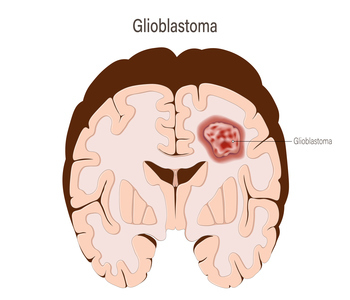
Glioblastoma, also known as glioblastoma multiforme or GBM, is a malignant (cancerous) brain tumor. It's the most common and most aggressive type of primary brain cancer and can be challenging to treat.
Glioblastoma is a type of astrocytoma — a tumor that arises from astrocytes, the star-shaped cells that make up the supportive tissue of the brain. Known for its aggressive nature, GBM can grow rapidly due to its rich blood supply. Effective treatment typically involves a multidisciplinary approach, including surgery, radiation therapy, and chemotherapy.
How common is glioblastoma?
Glioblastoma is the most common malignant primary brain tumor.
However, it remains a rare type of cancer, affecting 3 in every 100,000 people. In comparison, the risk of lung cancer is 1 in 15 for men and 1 in 17 for women.
What causes glioblastoma?
Doctors don't know what causes a GBM tumor to form. Most people with glioblastoma have no clear risk factors or family history of cancer.
Glioblastoma risk factors
Doctors know of a few risk factors for getting glioblastoma, including:
- Having had prior radiation therapy for childhood brain tumors.
- Having a hereditary cancer syndrome, including Lynch syndrome and Li-Fraumeni syndrome.
Glioblastomas are also slightly more common in men than women.
Complications of glioblastoma
Glioblastoma can lead to complications including:
- Loss of brain functioning.
- Side effects from medications, chemotherapy, surgery, or radiation therapy.
- Swelling in the brain.
- Tumor regrowth, even after treatment.
What Are the Signs and Symptoms of Glioblastoma?
Glioblastoma symptoms vary, but they tend to come on quickly. This sudden onset occurs due to the quick growth of the tumor, which can press on parts of the brain. Headaches may be the first symptoms.
Other symptoms may include:
- Confusion.
- Nausea or vomiting.
- Personality changes.
- Seizures.
- Speech, sight, or memory problems.
- Weakness or loss of feeling in the arms and/or legs.
When should I see a doctor about my glioblastoma symptoms?
If you have symptoms of glioblastoma, make an appointment to see your doctor immediately. The sooner treatment starts, the better the chance of extending survival.
How Do You Diagnose Glioblastoma?
To diagnose glioblastoma, your doctor will ask about your symptoms. They'll do an exam to check your vision, reflexes, and other neurological functions. The next step includes imaging studies.
What to expect during your visit
If your doctor suspects glioblastoma or another type of brain tumor, they will:
- Ask about your symptoms.
- Perform a physical and neurological exam.
- Order other tests.
- Review your health history and medications.
Tests to diagnose glioblastoma
Your doctor may order imaging studies, including:
- Standard MRI — To pinpoint where the tumor is and help doctors determine the tumor grade.
- Functional MRI — A functional MRI lights up the parts of the brain you use when completing different tasks. It can be used to develop a brain tumor treatment plan.
- CT scan — A test that creates images of your body's organs, bones, and tissues.
If imaging confirms suspicion of glioblastoma, the next step is referral to a neurosurgeon for a biopsy or resection.
Depending on the tumor location, your surgeon will try to remove as much tumor as is safely possible. At a minimum, a biopsy will be performed. During a biopsy, your doctor will remove a small piece of tumor tissue for analysis in a lab, which will help to guide the treatment plan.
Glioblastoma prognosis
How long can you live with glioblastoma?
Glioblastoma is a life-threatening condition. According to the American Brian Tumor Association, even with treatment, the median survival rate is about 14 to 16 months. About 5% of people with glioblastoma survive for five years or longer after diagnosis.
How Do You Treat Glioblastoma?
The goals of glioblastoma treatment are to extend survival, manage symptoms, and improve quality of life.
Surgical removal or biopsy are standard initial treatments for newly diagnosed glioblastomas or tumors that recur. It's common to use radiation therapy and chemotherapy along with surgery to treat glioblastoma.
Your treatment will depend on where the tumor is and its size and grade. Your doctor will also consider your overall health and quality of life.
Neurosurgery for glioblastoma
The neurosurgical team will develop a treatment plan to safely remove as much of your tumor as possible while preserving healthy brain tissue, critical nerves, and your ability to return to normal functioning.
Our neurosurgeons often use image-guided surgery, along with pre- or intraoperative brain mapping, to remove the GBM tumor safely.
Stereotactic radiosurgery for glioblastoma
Stereotactic radiosurgery is a painless, noninvasive treatment for glioblastoma and other brain tumors or abnormalities. It uses precisely focused radiation beams to destroy tumor cells — reducing radiation exposure to healthy brain tissue and eliminating the need for an incision.
UPMC is the nation's leading provider of Gamma Knife radiosurgery, a type of stereotactic radiosurgery. Our team has treated more than 12,000 people with tumors, vascular malformations, pain, and other functional problems. Our team may also do stereotactic radiosurgery using the Cyberknife or other linear accelerator-based systems.
Radiation therapy for glioblastoma
Radiation therapy is a standard treatment for GBM, either alone or with surgery and/or chemotherapy.
Radiation therapy treatment options include:
- External radiation — Directs radiation at the tumor from an outside source.
- Internal radiation — Involves placing radioactive material in the brain near the tumor.
Chemotherapy for glioblastoma
Chemotherapy uses drugs to stop the growth of glioblastoma cancer cells.
Chemotherapy drugs may be:
- Injected or infused.
- Placed directly into the brain near the tumor site.
- Taken by mouth.
The current chemotherapy standard of treatment for glioblastoma is temozolomide. People may take it daily during radiation therapy and then take a maintenance dose for several months, along with Optune, a tumor treatment field device. If the tumor begins to grow again, doctors may also prescribe lomustine or bevacizumab.
Clinical trials for glioblastoma
Clinical trials are essential for advancing the treatment of GBM. At UPMC, patients have access to a wide range of clinical trials evaluating innovative therapies, including investigational targeted treatments, immunotherapies, and vaccines. These trials offer hope by exploring new approaches that may improve outcomes and quality of life for patients facing this challenging diagnosis.
Why Choose UPMC for Glioblastoma Care?
When you choose UPMC for glioblastoma care, you will receive:
- Access to world-class neurosurgery expertise — Our world-renowned experts treat the full spectrum of neurosurgical conditions using the latest diagnostic and treatment techniques.
- A full range of treatment options — We offer noninvasive, minimally invasive, and traditional open surgical procedures, allowing us to effectively treat glioblastoma while reducing the risk of complications. Our comprehensive, approach includes expert care through neuro-oncology and radiation oncology, ensuring that each patient receives a personalized treatment plan tailored to their specific needs.
- Multidisciplinary care — We partner with neurologists, rehabilitation specialists, and other medical experts to provide complete care that optimizes your recovery and quality of life.
